Monday, September 14, 2020

Firestorm

 We were warned. First by the young people about climate change. Then, by our local weather service about extreme low humidity and high east winds that could allow dramatic fires to start and explode on our tinder dry state.

And that's what happened. Now western Oregon is on fire. We are currently not in the line of fire but we are definitely in smoke. Thousands have had to evacuate, thousands have lost their homes in California, Oregon and Washington.

Here was our first warning ten days ago on Friday, September 4:

"The National Weather Service in Portland has issued a Fire Weather Watch for wind and low relative humidity, which is in effect from Monday morning through Wednesday evening.

* Winds...East 10 to 20 mph with gusts up to 40 mph.

* Relative Humidity...As low as 10 percent.

* Impacts...Conditions may be favorable for rapid fire spread which may threaten life and property. Use extra caution with potential ignition sources, especially in grassy areas. Outdoor burning is not recommended.

* AFFECTED AREAS: NORTH OREGON COAST RANGE ... EAST SLOPES OF THE CENTRAL OREGON COAST RANGE ... EXTREME SOUTH WASHINGTON CASCADES AND FOOTHILLS ... CENTRAL OREGON CASCADE FOOTHILLS ... EAST WILLAPA HILLS ... NORTH OREGON CASCADE FOOTHILLS

Instructions:
A Fire Weather Watch means that critical fire weather conditions are forecast to occur. Listen for later forecasts and possible Red Flag Warnings."

Then we got the Red Flag Warnings. The state erupted on Monday, Sept. 7.  I don't know what started all the fires but I know up the Santiam Canyon many power poles were downed by the gusty east winds and started fires. The winds picked up burning embers and blew them elsewhere to start more fires.

Our skies turned ominous...


September 8
 and then orange...


September 9
September 9


September 9


September 9


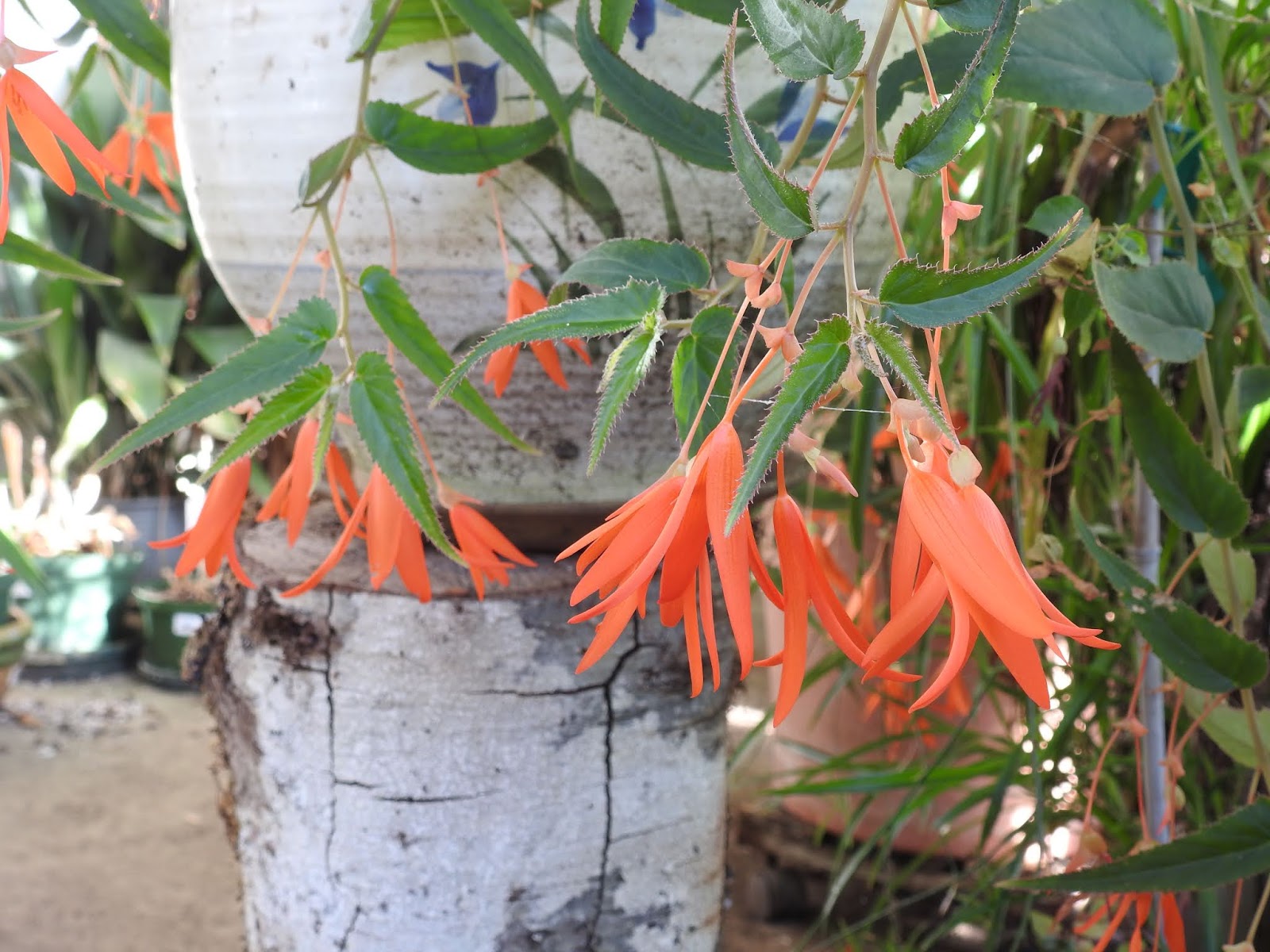
There was a happier spot of color. One of the orchids that our friends the Woodhouses had given us when they left Oregon two years ago opened the morning of September 9. I'm calling it a Fire Orchid. It's a beautiful, uplifting sight in the midst of worry...


As the days and the fires continued, the smoke lowered over our farm...
September 12
 Until the hills were barely visible... but at least the west breeze brought in some humidity to dampen the fires a little... The below haze is a mix of smoke and fog, but it smells like smoke.

September 14
Our smoke is nowhere near as bad as the smoke down in the valley in Salem or in the fire zones or in Portland. Ours is only unhealthy; theirs is hazardous.

Volunteers have turned out in droves to help evacuate people and animals, feed and house evacuees. I have offered pasture space to some but we are not in a terrifically safe place and there are many others, in safer locations, offering help so no one yet has taken me up on my offer.

Meanwhile we keep the swamp coolers filtering our inside air, minimize our time outdoors (or I do, Johnny has not been so good), keep in touch with friends, and watch the fire lines on the computer screen. I have never been so thankful for this computer.

All this, on top of Covid.

Stay safe, everyone!

Sunday, September 6, 2020

September on the Farm


Hot and dry, this September. But the farm continues to prosper in spite of not enough watering. The roses have had none at all... and no pruning. There are too many things to do and it's too hot to do them most of the time. But everything muddles along somehow... I walked around the farm this morning taking photos...

First stop, the greenhouse with the tuberous begonia that friend Velta gave me many years ago...


Then out the front door of the greenhouse to where I planted seed potatoes. One is blooming...


And on to the blueberry/iris bed where a Naked Lady arose a few days ago...


Then to the Dahlias that need more frequent watering than they get. They try anyway...


The roses have really been neglected this dry, busy summer. But some refuse to give up...


 The one below is a climber... not many leaves but reaching the top of the six foot fence and trying to bloom without getting eaten by the llama, who loves roses... to eat.


 Then I walked into the arboretum that is really scorched and dry. The Eucalyptus trees in the Australia section don't care. It must feel like home to them.


The line of roses at the back of the carriage house, never weeded and never watered, are mostly dead, but one must be under a drip from dew off the roof.


 I wandered back into the veggie garden then, which gets watered almost daily. The corn is very happy. And delicious!


 Only one watermelon has survived...


 But lots of pumpkins!


 And tomatoes...


And zucchini and patty pan squash and burpless cucumbers and sweetmeat squash and acorn squash and yellow beans. And a few tiny melons. Among other things. Oh, and lots of weeds.

 The pear tree in the front yard has been loaded. I picked the ones I could reach with a ladder this Labor Day weekend. They are in boxes in the back room to gradually ripen.


 Off to the barn, then, where some of the goats were out grazing...


 Below is beautiful Cleopatra. She was the only doe that milked through from the previous year since the others all got bred by the escape artist buck (now sold and gone). Cleopatra is still milking well on her lactation begun in 2018, so she is on her third year without a dry period.  Wonderful goat!


 And then it was time to turn the horses out. Nightingale, a smoky black, and her palomino mom, Jessie Anne.


Mr. Smith (Rogue Hill's Skybird)  with his dappled butt.


Walking back through the orchard I took a photo of one of the apple trees loaded with apples. Johnny will have plenty of apples for cider and sauce.


After returning to the house, I remembered to walk out to the front yard and take photos of the hardy fuchsias blooming there. So pretty.


Along the path between house and shop is a long, long line of Autumn Joy sedum, beloved by honeybees and butterflies. This year, there are many honeybees on the flowers. Two are visible below if you can find them.


They are harder to see in the below photo but I like the picture so...


 And of course it wouldn't be a post about our farm without at least one bird. The California Quail did not cooperate this morning (there are about 60 of them), but the male American Kestrel that owns the south field was on a fence post in the distance when I let the horses out.


The livestock guardian dogs, McCoy and Annie, were fast asleep in the heat while I was wandering around. They roam around all night and in the cooler morning and evening hours. Annie Puppy is growing by leaps and bounds, and does a lot of leaping and bounding so it's a relief when she's napping. I'll do another post before long with photos of her.

In spite of the heat and drought, it's a beautiful, bountiful September on the farm.

Tuesday, September 1, 2020

A Minus Tide at Dawn


For the first time since 2006, I did not monitor Black Oystercatchers at Road's End. The trail I took to The Thumb, where I could look down on all three nest sites, is now off limits and I was not willing to hike in from The Knoll, a long hike ending in a treacherous narrow path next to the cliff over the Hidden Cove north of Road's End cove. Another volunteer, who had accompanied me in the past, took over. But then Covid-19 hit and she was able to make the trek only twice all summer because of the swarms of people hiking the narrow trail with so many other coastal areas off limits. She saw the Middle Rock nest with eggs, but could not learn its outcome. And she surmised the South Rock pair had a nest, out of sight as usual.

A minus tide early on the morning of September 1st allowed me to go into the cove from the beach when no one else was yet there. I was hoping to see Black Oystercatcher fledglings or else a pair of adults with no chicks, so I could know if any nest had been successful... or not. No Black Oystercatchers of any age were in sight or sound, but the beach was beautiful at dawn.


 Cascade Head in the distance below.


As the sky lightened, the pink intensified. I couldn't stop taking photos.


The photo below is of the top of  "South Rock" where a pair of Black Oystercatchers nest each year. It looks very different looking down on it from The Thumb.


 The ocean had retreated from the Hidden Cove to the north, something that only happens in a minus tide. I did not linger as the ocean was lapping at the entrance, eager to return.


 "Boot Rock" and a pink dawn


Kelp uncovered at the minus tide.


 The Thumb seen between the seastack and cliff at the entrance to the Road's End cove. I turned to take this photo as I left... the sky lightening and beach goers arriving, some with dogs...


  A gull complained.


 It was time to go home after a beautiful morning at the beach, albeit with no Black Oystercatcher sightings. As though in compensation, a pair of noisy Kingfishers flew around. And a line of Brown Pelicans flew north off shore while the sky was still pink...


  Out of the cove, now, I looked back at the scraggly tree that often hosts Bald Eagles. Way in the distance, The Thumb could be seen...


A beautiful morning, then home to do chores, not even very late. But Johnny had not remembered I was planning to go to the beach today and wondered where I was when he woke up. I left at 5 when he was fast asleep. 

Black Oystercatcher monitoring, such as it was, is over for me for the year. But next year, I will watch for early morning minus tides and visit the Road's End cove again.